Headless WordPress for Marketing Sites: Speed & Control Guide
Headless WordPress for Marketing Sites: A No-Nonsense Guide to Speed and Control
Let’s be honest. You’ve been there. It’s 2 AM, you’re staring at a blank screen – the dreaded White Screen of Death – and your marketing site has ground to a halt. Or maybe it’s just… slow. Painfully slow. Every click feels like wading through treacle. You’ve tried everything, and nothing seems to stick. I’ve been there too, more times than I care to admit. Fixing thousands of WordPress sites teaches you a thing or two about what works and what causes headaches.
For years, WordPress has been the go-to for marketing teams. It’s familiar, it’s flexible, and a lot of people know how to use it. But as marketing gets more complex, and user expectations for speed skyrocket, the old ways sometimes just don’t cut it anymore. What if there was a way to keep the familiar backend of WordPress but get a frontend that flies, feels modern, and gives you total control? Enter Headless WordPress for marketing sites.
What in the World is Headless WordPress, Anyway?
Think of your WordPress site like a restaurant. Traditionally, the kitchen (where the food is made – your content) and the dining room (where people eat and see the food – your website) are all one place. You build the tables, you design the decor, and the kitchen is right there behind the swinging doors.
With Headless WordPress, you’re essentially separating the kitchen from the dining room. WordPress still manages all your content – your blog posts, product descriptions, campaign landing pages. It’s the powerful engine behind the scenes. But instead of WordPress also handling how that content looks and is delivered to your visitors, you let another tool handle the dining room. This other tool, your frontend, could be built with modern technologies that are built for speed and interactivity. WordPress simply makes your content available via an API (think of it as a waiter taking orders from the dining room to the kitchen). This lets you use WordPress as a headless CMS.
Common Pain Points: Why Traditional WordPress Can Let Marketing Teams Down
I’ve seen it time and time again. Marketing teams pour tons of effort into creating amazing content, but their website just can’t keep up. Themes can be bloated, packed with features you never use, slowing things down. Plugin conflicts are a nightmare, especially when you just need to launch a campaign now. And let’s not even talk about security vulnerabilities that seem to pop up out of nowhere. This is where the benefits of headless WordPress start to look really appealing.
You’re trying to run targeted campaigns, A/B test landing pages, and deliver personalized experiences. But your site struggles to load quickly, let alone handle a surge in traffic. This isn’t just frustrating; it’s costing you conversions. Remember, a single second delay in page load time can slash your conversions by nearly 7%. And if your site takes longer than 3 seconds to load? You’re looking at a 32% higher chance of visitors bouncing. That’s precious leads walking out the door because your site felt like dial-up.
Another big one is flexibility. You want to put your content on an app, a smart device, or an entirely different website without rebuilding it from scratch. Traditional WordPress makes that hard. It’s built for one job: serving up your website. When you need more, it starts to feel like trying to fit a square peg in a round hole.
The Core Advantages of Going Headless: Speed, Security, and Freedom
Okay, so why make the switch? Let’s break down the real advantages of headless WordPress for marketing sites.
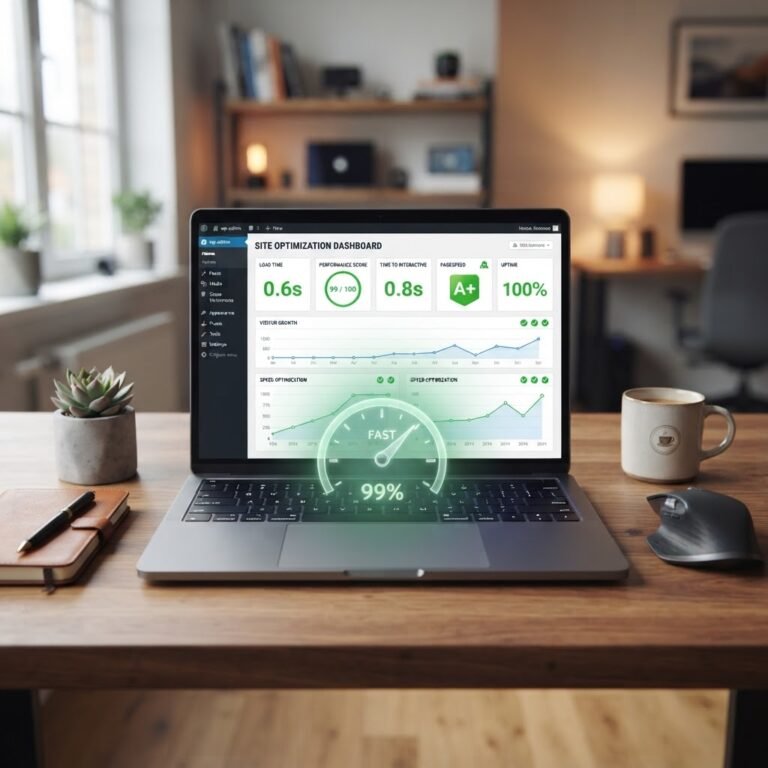
First up: Speed. Oh, the speed! When you decouple your WordPress backend from your frontend, you’re no longer tied to the traditional WordPress rendering engine, which can be sluggish. Your frontend can be built using lightning-fast technologies. We’re talking frameworks like React, Next.js, or Vue.js. These are built from the ground up for performance. This means your landing pages load in the blink of an eye, giving visitors what they expect. It’s not just about bragging rights; improving marketing site speed directly impacts your bottom line. With up to 47% of users expecting a site to load in 2 seconds or less, shaving off those milliseconds is crucial. For B2B sites, loading in just 1 second can triple conversion rates compared to a 5-second load time!
Next, security. By using a decoupled WordPress architecture, you significantly reduce your site’s attack surface. Your public-facing frontend isn’t directly connected to your WordPress admin and database in the same way. This separation means that if someone tries to hack your frontend, they aren’t automatically getting direct access to your WordPress backend. It’s like having a moat around your castle. While no system is unhackable, this architectural difference adds a substantial layer of defense, making your marketing content safer.
And then there’s freedom. With your content accessible via APIs (like REST or GraphQL), you can use it anywhere. Want a stunning, interactive frontend for your main marketing site? No problem. Need a microsite for a specific campaign? Easy. Want to push content to a mobile app? You got it. This freedom means your marketing team isn’t limited by the constraints of a traditional WordPress theme or setup. You can truly build the experiences your audience deserves, using the best tools for the job. This is one of the most significant benefits of headless WordPress.
The Trade-Offs: Is Headless Right for Your Current Marketing Stack?
Now, before you go ditching your trusty WordPress setup, let’s talk about the other side of the coin. Going headless isn’t a magic bullet, and it’s not always the best move for everyone. It’s important to weigh the headless WordPress pros and cons realistically.
The biggest hurdle? Complexity and cost. Building and maintaining a headless setup typically requires developers comfortable with modern frontend frameworks and API integrations. Your marketing team, who might be used to tweaking content directly in WordPress, might find themselves more reliant on developers for changes that affect the frontend presentation. This requires a different workflow and potentially a different team structure. It’s a shift from the all-in-one convenience of traditional WordPress.
Maintenance is another factor. While WordPress itself might be easier to update, you now have two distinct systems to manage: your WordPress backend and your separate frontend application. Each needs its own updates, security patches, and hosting. This can increase overhead, both in terms of time and money. If your marketing site is relatively simple and doesn’t require extreme performance or cutting-edge interactivity, sticking with a well-optimized traditional WordPress setup might be far more practical and cost-effective.
Think about your team’s skills. Do you have developers who can build and manage a modern JavaScript frontend? Can your marketing team adapt to a workflow where content creation and frontend design are more separate? If the answer is leaning towards ‘no,’ then headless might be an unnecessary complication right now.
Architectural Breakdown: Connecting the Backend to Your Frontend of Choice
Alright, let’s get a bit more technical, but I promise to keep it plain-English. How does this magic connection between WordPress and your shiny new frontend actually happen? It all comes down to APIs.
WordPress has built-in APIs, primarily the REST API. When your frontend application needs content, it makes a request to the WordPress REST API. WordPress, acting as the content repository, responds with the requested data, usually in JSON format. Your frontend then takes that raw data and displays it in a beautiful, fast way. This is the core of WordPress as a headless CMS.
For more advanced needs, you might look at GraphQL. Think of GraphQL as a more sophisticated way for your frontend to ask for exactly the data it needs, and nothing more. This can lead to even more efficient data fetching and better performance. Whether you use REST or GraphQL, the principle is the same: WordPress serves content, your frontend displays it.
The frontend itself can be built using various technologies. You could go with a static site generator (SSG) like Gatsby or Next.js (in its static export mode). These tools pull all your content from WordPress during the build process and create pure HTML, CSS, and JavaScript files. These files can then be hosted on a Content Delivery Network (CDN), making them incredibly fast to serve globally. Or, you could opt for server-side rendering (SSR) with frameworks like Next.js, which offers a balance between static speed and dynamic content updates. The choice impacts your site performance and developer experience.
Essential Tech Stack Recommendations for Marketers and Developers
So, you’re thinking about taking the plunge. What tools should you have in your arsenal? For the WordPress backend, you’ll want a clean install. Minimize unnecessary plugins, especially those that add a lot of frontend code. Focus on plugins for content management and API access.
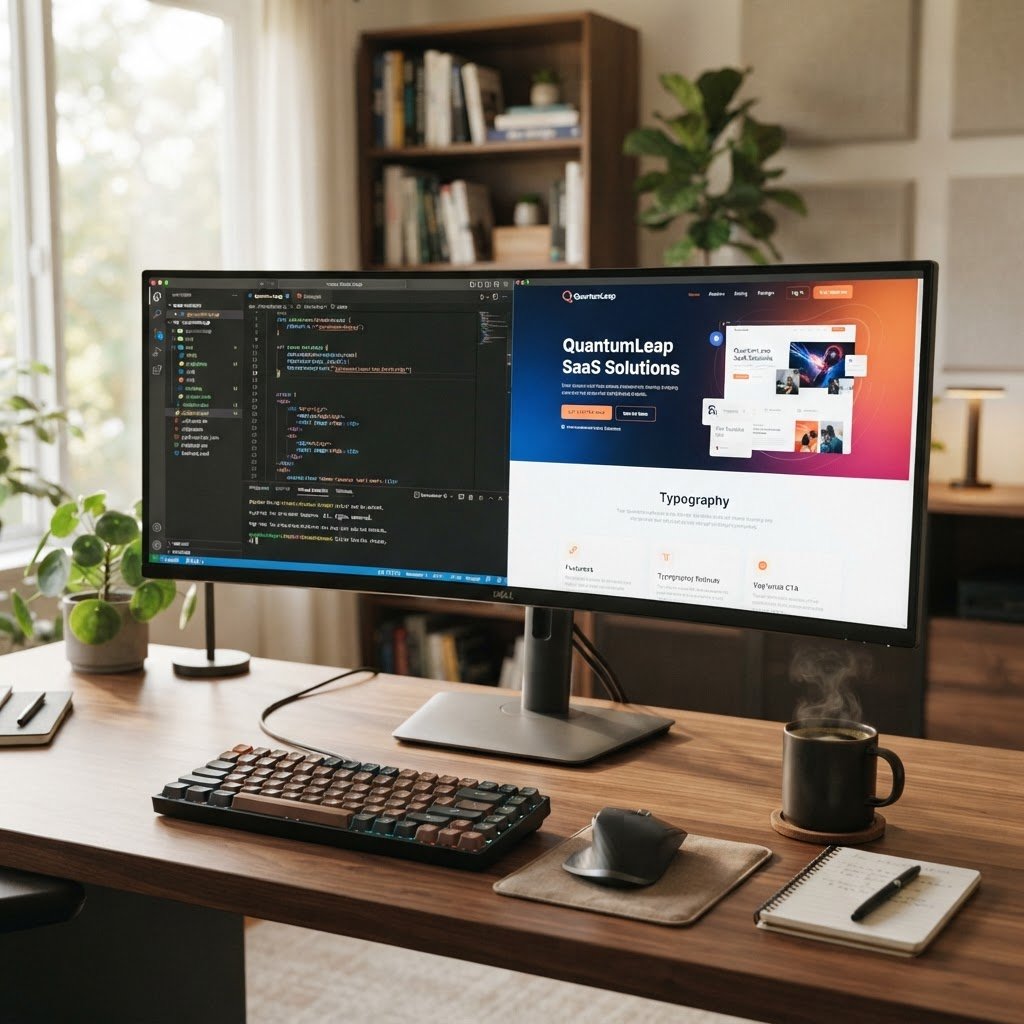
For the frontend, this is where you have options. For speed and scalability, especially if you’re looking at scaling WordPress marketing websites with potential for high traffic, frameworks like Next.js (using React) are incredibly popular. They offer great performance out-of-the-box, support for static site generation (SSG) and server-side rendering (SSR), and a fantastic developer experience. Gatsby is another solid choice for SSG, particularly if your content structure is complex and you want to leverage its GraphQL data layer.
When it comes to hosting the frontend, services like Vercel, Netlify, or Cloudflare Pages are excellent. They’re built for modern web applications, offer seamless integration with Git workflows, and provide global CDN distribution, drastically reducing latency for your users worldwide. For the WordPress backend, you can use specialized WordPress hosting or a virtual private server (VPS) that you manage.
Don’t forget about content delivery. A robust Content Delivery Network (CDN) for your frontend assets is non-negotiable for top-tier user experience optimization. This ensures your fast frontend loads lightning-quick, no matter where your visitors are located.
SEO Implications: How to Keep Your Search Rankings Safe
This is a big one, and I’ve seen people get tripped up here. Moving to a headless setup doesn’t automatically mean your SEO goes out the window, but it does mean you need to be much more deliberate about it. Standard WordPress SEO plugins might not work out-of-the-box with your separate frontend.
You’ll need to ensure that your frontend application handles all the essential SEO elements. This includes setting meta titles and descriptions, generating structured data (like schema markup), creating sitemaps, and correctly implementing canonical URLs. All this needs to be managed on the frontend code, not within WordPress plugins that modify the HTML output directly. This requires close collaboration between your content creators and developers.
For example, if you’re using static site generation, you’ll need to build your sitemaps and robots.txt files as part of your build process. When you update content in WordPress, your frontend build process needs to be triggered to regenerate these files and deploy the updated site. This is a key difference when comparing headless WordPress vs traditional. The benefits of headless WordPress in terms of speed can positively impact SEO, but only if the technical SEO elements are implemented correctly on the frontend. It requires a proactive approach, not a passive reliance on plugins.
Moving from Traditional to Headless: A Step-by-Step Reality Check
So, you’ve decided the benefits outweigh the challenges. How do you actually make the move without breaking everything? It’s not usually a flip-the-switch kind of process, especially for a live marketing site. Here’s a realistic approach:
First, Plan and Prototype. Don’t jump straight into rebuilding your entire live site. Start by building a prototype of your desired frontend. Choose your framework, connect it to a staging version of your WordPress backend (or a fresh install with your content migrated), and see how it all works. Test content fetching, navigation, and key page layouts. This is where you iron out the kinks and get a feel for the developer experience.
Second, Content Migration & API Setup. If you’re moving from an existing WordPress site, you’ll need a plan to migrate your content. Sometimes, you can pull directly from your existing site via the REST API. Other times, you might need to export and import content. Ensure your WordPress backend is set up to serve content cleanly via the API. Use plugins like WPGraphQL if you opt for GraphQL, or ensure your REST API endpoints are well-organized.
Third, Build the Frontend. This is the most intensive part. Develop your chosen frontend application, focusing on design, user experience, and performance. Integrate it with your WordPress API. This is where you implement all your SEO requirements and dynamic features.
Fourth, Testing and Deployment. Thoroughly test your new headless site. Check functionality, performance, and SEO across different devices and browsers. Once you’re confident, you can plan your launch. Often, this involves pointing your domain’s DNS to your new frontend hosting, while your WordPress backend continues to run separately. It’s a phased approach, minimizing risk.
Finally, Ongoing Management. Remember, you now have two systems. Establish clear processes for updating both WordPress and your frontend application, and train your team on the new workflow. It requires a different mindset than managing a monolithic WordPress site.
When to Stick with Standard WordPress (And When to Upgrade)
Look, I’m a huge fan of smart solutions, but that doesn’t mean headless is always the answer. Sometimes, the best tool for the job is the one you already know and trust, especially if it’s performing well.
If your marketing site is relatively straightforward – think basic blog, company brochure site, lead generation landing pages without complex interactive elements – and it’s loading fast and securely, there’s no compelling reason to switch to headless. Traditional WordPress, when well-optimized with a good theme and minimal plugins, can be incredibly fast and efficient. The ease of use for your marketing team to update content and make small design tweaks directly within the familiar WordPress dashboard is a massive advantage. It also generally has lower development and maintenance costs.
However, if you’re experiencing persistent performance issues that you can’t fix, if you need to serve content to multiple platforms (like a mobile app and a website), if you have developers eager to use modern frontend frameworks, or if your marketing strategy demands highly interactive and dynamic user experiences that traditional WordPress struggles to deliver, then it’s time to seriously consider the decoupled WordPress architecture. The benefits of headless WordPress truly shine when you push the boundaries of what a traditional website can do and demand peak performance and extreme flexibility for scaling WordPress marketing websites.
Taking Control of Your Marketing Infrastructure
Choosing how to structure your marketing website is a big decision. It impacts speed, security, flexibility, and your team’s workflow. Headless WordPress offers a powerful alternative to traditional setups, especially for marketing sites that need to perform at the highest level.
It’s not about replacing WordPress; it’s about evolving how you use it. By decoupling the content management from the presentation layer, you gain the agility to build faster, more secure, and more engaging experiences for your audience. This allows your marketing efforts to truly shine, unburdened by technical limitations. It’s about setting up your marketing infrastructure to win, giving you control and peace of mind.
So, evaluate your needs. Are you battling slow load times? Do you dream of a frontend that’s more responsive and interactive? Is serving content to multiple channels a growing requirement? If you answered yes to any of these, exploring Headless WordPress for marketing sites is definitely worth your time. It could be the key to unlocking the next level of performance and control for your online presence.
What are your biggest website speed frustrations? Have you experimented with headless setups? Share your thoughts and experiences in the comments below – I’d love to hear how you’re tackling these challenges!
Frequently Asked Questions
Is Headless WordPress always faster than Traditional WordPress?
Not automatically. While headless architecture allows for significantly faster performance by using modern frontend frameworks and static site generation, actual speed depends heavily on the technical implementation, the chosen frontend framework, hosting, and optimization efforts. A poorly built headless site can be slower than a well-optimized traditional WordPress site. The potential for speed is much higher with headless, but it needs to be realized.
Do I need to be a developer to use Headless WordPress?
Yes, generally speaking. While WordPress remains the familiar CMS for content editors, building and maintaining the frontend requires development expertise in JavaScript frameworks (like React, Vue, Next.js) and API integrations. Content updates might be straightforward in WordPress, but implementing new features or design changes on the frontend will require developer intervention.
Can I still use my favorite WordPress plugins with a Headless setup?
It depends. Plugins that modify the frontend’s HTML output (like many page builders or on-page SEO plugins) often won’t work as expected because the frontend is no longer rendered by WordPress. However, plugins that manage content, handle forms (and send data via API), or interact with the WordPress backend directly may still function. You’ll need to evaluate each plugin and potentially find headless-compatible alternatives for frontend functionalities.
What are the main SEO considerations for Headless WordPress?
In a headless setup, technical SEO elements like meta tags, sitemaps, structured data, and canonical URLs must be managed on the frontend application itself, rather than through WordPress plugins. This requires careful planning and implementation by developers. While the speed improvements of headless can benefit SEO, you must actively build these SEO features into your frontend code to maintain or improve search rankings.
When is Traditional WordPress a better choice than Headless?
Traditional WordPress is often a better choice for simpler websites that don’t require extreme performance or multi-platform content delivery. If your team is non-technical and needs full control over design and content updates without developer help, or if your budget is limited and you want to avoid the added development and maintenance costs of a decoupled system, a well-optimized traditional WordPress site is usually more practical and efficient.