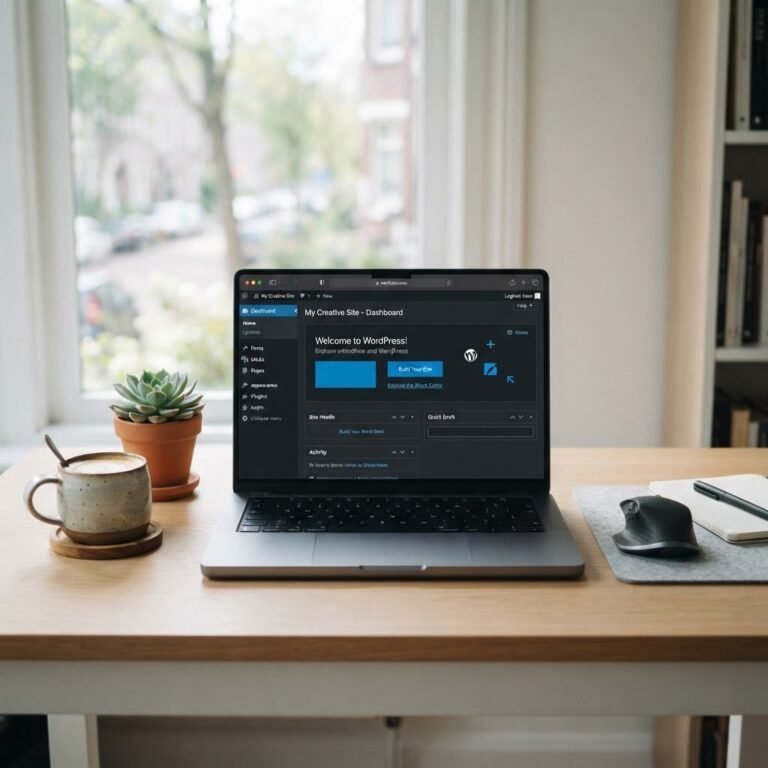

Ultimate Guide to Building an Ecommerce Website
Building an Ecommerce Website: Your Ultimate Guide to Success
Building an ecommerce website can feel like staring down a daunting mountain: exciting, yes, but also overwhelming. Did you know that the global e-commerce market is projected to hit a jaw-dropping $3.4 trillion in just a few years? It’s true! But while that figure is exciting, it’s also a little intimidating. How do you break into such a massive market? How do you ensure that your online store not only exists but thrives?
The good news is, you’re not alone in this struggle. I’ve been there, staring at a blank screen wondering how to get my first product online. After countless trials and errors—and a few late nights wrestling with that notorious “White Screen of Death”—I’ve gathered insights that can help you avoid the mistakes I made. Let’s tackle this together!
Introduction: Addressing Common Ecommerce Challenges
So, what are some of the challenges you might face when building your ecommerce website? First off, setting up an online store can feel like trying to assemble IKEA furniture without the instructions—frustrating and confusing.
You might be thinking about how to choose a platform, what to prioritize in your design, or how to ensure transactions are secure. Not to mention SEO and all those marketing strategies! Let’s face it—navigating through product listing optimization or payment gateway integration is no walk in the park. But these problems are entirely surmountable once you break them down.
Choosing the Right Ecommerce Platform
One of the first decisions you’ll face is choosing the right ecommerce platform. There are a ton out there, from Shopify, with its user-friendly interface, to BigCommerce, which is great for larger operations. When I first started, I went with a platform that sounded fancy but left me confused and dissatisfied.
Here’s the real deal: your platform needs to fit your needs, not the trendiest buzzword. Consider factors like ease of use, integration options, and scalability. You want a platform that can grow as your business does—don’t pigeonhole yourself from the get-go!
Designing a User-Friendly and Mobile-Responsive Website
Next comes the nitty-gritty of ecommerce website design. Have you ever tried to navigate a slow, unfriendly website? It’s like running into a locked door when all you wanted was to take a peek inside. Your website has to be user-friendly and mobile-responsive.
Think about the competing brands vying for your potential customers’ attention. If they find your site slow or poorly designed, they might just bounce. Incentivize them to stay using smart design and straight paths to product pages. And yes, a clean layout paired with intuitive navigation is crucial!
Optimizing Product Listings for Maximum Impact
Now, let’s dive into product listing optimization. You might have the coolest products, but if your descriptions are lackluster and your images are grainy—well, best of luck with that sale!
High-quality images are a must; they serve as the first impression. I learned the hard way that pixelated images make customers feel uneasy about purchasing. As for descriptions, be engaging! Tell a story, speak to your audience, and make them feel like they need what you’re selling. Don’t forget, customer reviews can boost trust, too, so highlight those glowing testimonials!
Setting Up Secure and Efficient Payment Gateways
Let’s talk about payment gateways. Setting these up securely is non-negotiable. Your customers need to feel safe purchasing on your site—nothing can chase away sales faster than sketchy payment processes.
Platforms like PayPal and Stripe are popular choices, but double-check their fees and ease of integration. An efficient checkout process can make or break your sales figures! Providing options and maintaining security can help build your customers’ trust in your brand.
Implementing Effective Inventory and Shipping Management
Inventory management is another aspect you can’t overlook. My first foray into this area was something of a disaster—so many out-of-stock items, it was embarrassing! Invest time in understanding historical data, and predict your inventory needs.
As for shipping, it’s best practice to offer multiple options. Every shopper wants a direct path to checkout. If they have choices—like standard versus expedited shipping—you’re golden. Plus, don’t forget to have a clear returns policy—it’ll save you headaches down the line!
Ensuring Robust Security Measures for Customer Trust
Security measures can’t be an afterthought. Getting an SSL certificate should be at the top of your checklist to protect customer data and enhance trust. And while you’re at it, make sure to keep your site updated with the latest security patches.
Let your customers know about these security measures. Transparency can go a long way in building relationships!
Testing and Launching Your Ecommerce Website
So, you’re at the launch stage! Before going live, though, beta testing is a must. I can’t emphasize this enough—there are always bugs lurking about that you won’t notice until your site is out in the wild.
Gather feedback from a small audience first. Then on launch day, create buzz; maybe go live on social media! Make sure customers know they are welcome to visit your brand-new site.
Ongoing Maintenance and Continuous Improvement
Your work doesn’t end once the site is launched. Regularly optimize your site’s performance—SEO best practices need to be revisited periodically! Customers will also give you valuable insight into how to enhance their experience.
Staying ahead of the curve also means keeping an eye on industry trends. If something looks promising, don’t hesitate to adjust your strategy. This is all part of making your ecommerce journey more fruitful.
Conclusion: Empowering Your Ecommerce Journey
Now that you have a roadmap for building your ecommerce website, it’s time to roll up your sleeves and get to work. The journey might feel overwhelming, but remember, each step brings you closer to your goal.
Take what you’ve learned here and get started on creating a site that meets your customers where they are. I’d love to hear about your experiences—while it can be frustrating, sharing your triumphs and failures can help others. Feel free to leave your thoughts and questions in the comments!
Frequently Asked Questions
Q1: What are the essential features an ecommerce website should have?
A1: An ecommerce website should have product pages, an efficient navigation system, secure payment options, customer reviews, easy accessibility on mobile devices, and a seamless checkout process.
Q2: How important is SEO for an ecommerce site?
A2: SEO is critical for visibility. Strong SEO practices help potential customers find your site in search results, driving more traffic and, ultimately, sales.
Q3: Can I start an online store with no technical skills?
A3: Yes! Many ecommerce platforms, like Shopify and Wix, are user-friendly and designed for those without coding skills, allowing you to create a store easily.
Q4: How can I effectively manage inventory?
A4: Regularly updating stock levels, using inventory management software, and analyzing sales trends can help manage inventory effectively and avoid stockouts or excess.
Q5: What’s the best way to handle shipping?
A5: Offer multiple shipping options, provide transparent costs, and consider free shipping over certain purchase amounts to enhance customer satisfaction.