
WordPress Video Training: Master Your Site & Fix Bugs Easily
WordPress Video Training: Master Your Site Without the Tech Headaches
I remember staring at a blank screen at 2 a.m. The site was down. My heart pounded against my ribs. WordPress powers over 40% of the entire internet, yet sometimes it feels like it wants to break just to spite me. That late-night panic is exactly why structured learning matters. You need a map, not a guess.
The 2am Panic: How Structured Training Prevents Site Crashes
Talking Points:
* Why panic leads to bad decisions.
* How preventative maintenance stops the 2am crash.
* The value of having a reliable backup plan.
Most folks treat their site like a magical box. They push buttons and hope for the best. When the white screen of death appears, the guessing game begins. You start disabling things randomly. This makes the mess worse. A good wordpress video training series acts as your fire extinguisher.
Instead of scrambling, you understand the architecture of your site. You know why things break. It turns out, plugin conflicts are usually the culprit when resources clash. Learning to read your error logs saves you from hours of frustration. It keeps your site running smooth while the rest of the world sleeps.
What to Look for in High-Quality WordPress Video Training
Talking Points:
* Why simple explanations win over jargon.
* Checking if the instructor actually uses the software daily.
* Finding courses that cover modern WordPress tools.
Not all tutorials are created equal. Avoid the ones that sound like a math textbook. You want someone who speaks human. Find a wordpress beginner video course that talks to you like a friend. It should show real screens, not fancy slide decks.
Check for updates. WordPress changes fast. If the video shows an interface from five years ago, run away. Good step-by-step wordpress training focuses on the current Gutenberg block editor. You want teachers who address real, messy issues. Real world experience beats theory every single time.
Beginner Basics: Navigating the Dashboard with Confidence
Talking Points:
* Getting comfortable with the sidebar menu.
* The difference between posts and pages.
* Setting up your site settings properly from the start.
When I first started, the dashboard looked like a spaceship cockpit. So many tabs. So many options. You have to stop fearing the buttons. WordPress dashboard navigation is simple once you see the pattern. It is just a filing system for your content.
Start by mastering where your media lives. Learn how to draft a post versus publishing a permanent page. Keep your settings clean. If you understand the foundation, you never feel lost. It makes every other task feel like a quick chore.
Beyond the Basics: Customizing Themes and Plugins Like a Pro
Talking Points:
* Picking themes that do not bloat your site.
* Learning to manage plugins without overloading the server.
* Why less is often more with extensions.
Theme customization feels like art. It is tempting to install every plugin that looks cool. Resist that urge. Too many plugins kill your site performance. Stick to what you need to get the job done.
When you use a wordpress mastery video series, you learn how to spot bad code. Good themes are lightweight and fast. They do not fight your content. I keep my site lean to ensure visitors stay happy. Speed is everything in this game.
Troubleshooting 101: Fixing Common Errors Without Hiring a Developer
Talking Points:
* The magic of the plugin deactivation test.
* How clearing cache fixes weird visual bugs.
* Why permalink issues cause 404 errors.
You do not need a degree to fix a broken site. Most fixes involve basic logic. If a site breaks after a new install, deactivate that plugin. It is almost always a conflict. These fix wordpress errors video sessions show you the exact steps. You feel like a genius when the site comes back online.
Sometimes a 404 error on a page is just a link issue. Go to your settings and save the permalinks again. It refreshes the internal map of your site. Small tricks like this are hidden gold. You stop wasting money on developers for tiny hiccups.
Performance & Security: Keeping Your Site Fast and Safe
Talking Points:
* Why security starts with strong passwords.
* Keeping software updated to patch holes.
* How CDNs help your site load faster.
A slow site is a dead site. Nobody waits for a page to load for ten seconds. Use tools like Cloudflare to help your server. Learn the wordpress security best practices early on. Never use “admin” as your username.
Regular site maintenance keeps the bad guys out. Update your plugins every week. Check your database for junk. When you prioritize site performance optimization, your Google rankings actually improve. It pays to be careful with your digital house.
Why Plain-English Guides Beat Technical Jargon Every Time
Talking Points:
* Avoiding confusion by using simple terms.
* Getting to the point of the fix faster.
* Building confidence through clear instruction.
Tech jargon is a barrier. It makes you feel stupid. I hate that. You need wordpress troubleshooting guides that talk like a normal person. If a guide uses five big words to describe a simple menu click, find a different one.
I want solutions, not a lecture. When you learn through clear language, the lesson sticks. You can repeat the fix later without re-watching the video. That is the true sign of a good teacher. They make the complex feel easy.
Comparing Free vs. Paid WordPress Training Resources
Talking Points:
* Leveraging official free docs first.
* Deciding when a paid course offers more value.
* Avoiding “too good to be true” deals.
Free resources exist for a reason. WordPress.org has excellent documentation for almost every feature. Start there. It is the gold standard for truth. If you need more hand-holding, look for a paid course.
Paid training often organizes the chaos for you. It builds a path. You stop jumping from video to video. Just make sure the paid site has a reputation for real, working solutions. Look for reviews that mention the specific problems they solved.
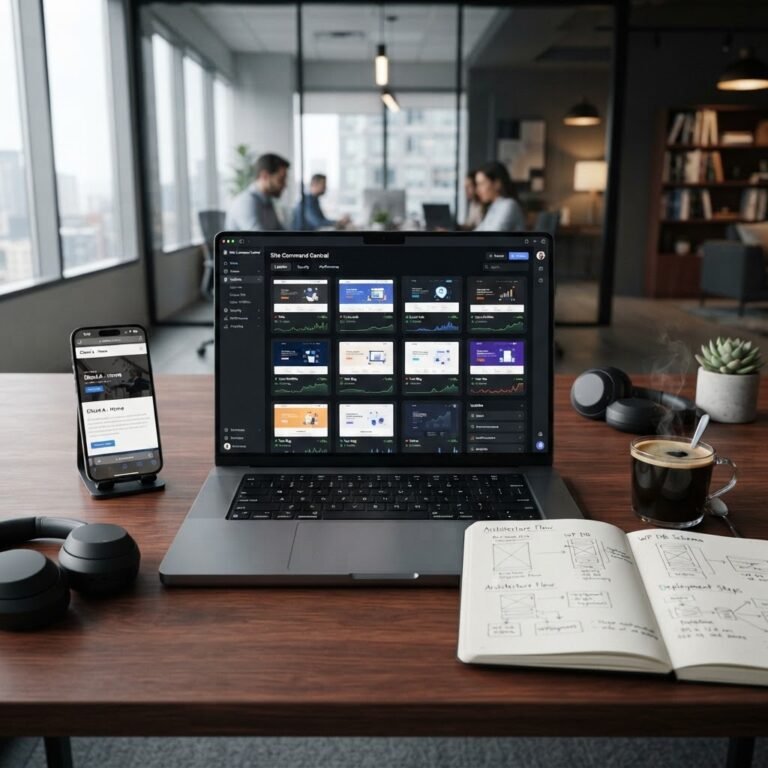
Your Command Center: How to Build a Sustainable Learning Path
Talking Points:
* Scheduling time for site maintenance.
* Creating a personal “fix-it” library.
* Staying consistent with small updates.
Do not try to learn it all in one weekend. Your brain will fry. Treat your site like a small garden. Water it a little bit every week. Schedule one hour for cms training or theme tweaks. Keep a notebook of the changes you make.
When you build a learning path, you stop reacting to chaos. You anticipate needs. You grow with your site. It stops being a chore and starts being a tool you own. That is how you master the craft.
Conclusion: Take Control of Your WordPress Mastery Today
Owning your site feels different when you know how it works. You stop fearing the updates and start looking forward to the features. Use these resources to build your own confidence. Start small, stay consistent, and never let a 2am error scare you again. Have you ever fixed a site crash all by yourself? Share your biggest win in the comments below!
Frequently Asked Questions
1. Question: Why does my site show a blank screen after I update a plugin?
Answer: This happens because of a code conflict. The best way to fix it is to access your site via FTP or your host’s file manager and rename the plugin folder to deactivate it instantly.
2. Question: Is it possible to learn WordPress without knowing any coding languages like PHP or HTML?
Answer: Absolutely. Modern tools and editors have made it possible to manage professional-grade websites without writing a single line of code, provided you use reputable themes and plugins.
3. Question: How often should I perform maintenance on my website to keep it secure?
Answer: You should check for plugin, theme, and core updates at least once a week. This keeps your security patches current and prevents compatibility issues from building up over time.
4. Question: Why do my images sometimes disappear or show 404 errors?
Answer: This is often caused by a break in your site’s permalink structure or a folder permission issue. Simply refreshing your permalinks in the settings menu often resolves the connection between your database and the uploaded files.
5. Question: Does having many plugins really slow down my website?
Answer: Yes, every plugin loads its own files. If you use too many, they can conflict or increase the load time significantly. Only keep plugins that provide clear value to your visitors.