WordPress Hosting Comparison 2026 | WP Site Deck
WordPress Hosting Comparison: Find the Perfect Fit for Your Site
There I was, 2 a.m. in the morning, eyes glazed over, staring at the dreaded “White Screen of Death.” My heart sank. If you’ve been there too, you know how crucial it is to have reliable WordPress hosting. With about 43% of all websites powered by WordPress, picking the right hosting partner isn’t just a choice; it’s a matter of life and death for your site. It can make or break your online presence!
But fear not! I’ve been in this game for over 20 years, and I’m here to break down the essentials of WordPress hosting comparison for you. Let’s tackle common challenges head-on, explore top providers, and ensure you end up with hosting that offers speed, security, and peace of mind!
Common WordPress Hosting Challenges and How to Overcome Them
Talking Points:
- Discuss common issues like site speed and uptime.
- Explore security risks associated with cheap hosting.
- Highlight the importance of customer support when things go wrong.
When I started out, many sleepless nights were spent trying to make sense of slow load times and hosting that crashed at peak traffic. It’s frustrating! Slow sites can seriously hurt your bounce rates. In fact, a staggering Time to First Byte (TTFB) above 200ms can send users packing and directly impact your Google rankings. And let’s not ignore the White Screen of Death! One day you’re up and running; the next, your site’s a ghost town.
Your main hurdles include:
1. Site Speed: If your host is slow, so is your site. It’s a direct correlation.
2. Uptime Reliability: Downtime is like a phantom thief robbing you of visitors. You need assurance that your site will always be available.
3. Customer Support: Trust me, you want a support team that can walk you through troubleshooting at 3 a.m. They should be available 24/7.
Key Factors to Consider When Comparing WordPress Hosting Providers
Talking Points:
- Key indicators of performance metrics for hosting.
- Importance of scalability and resource allocation.
- Security features like SSL certificates and backups.
Before picking a hosting provider, dive into these crucial factors:
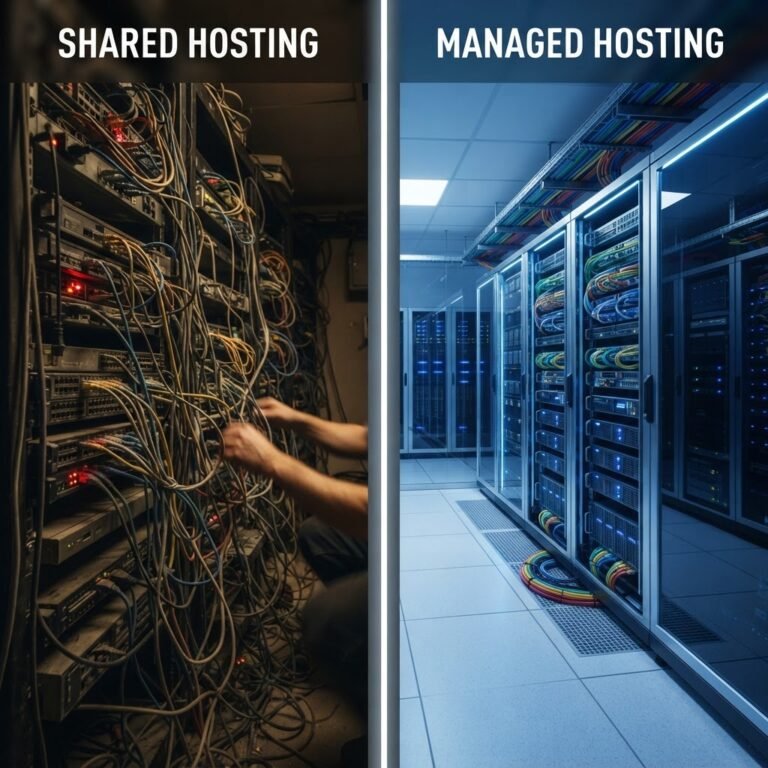
- WordPress Hosting Performance: Look for managed hosting solutions, which can speed up load times by an average of 40% compared to generic shared hosting. Amazing, right?
- Scalability Options: As your site grows, your hosting should grow with it. Ensure the provider can support more resources without breaking the bank.
- Security Features: SSL certificates, regular backups, and malware scanners should be non-negotiable. The last thing you want is to scramble for a backup when disaster strikes.
Top WordPress Hosting Providers in 2026: A Detailed Comparison
Talking Points:
- Overview of popular hosting providers.
- Emphasize performance metrics and pricing.
- Consider user-friendly aspects and customer reviews.
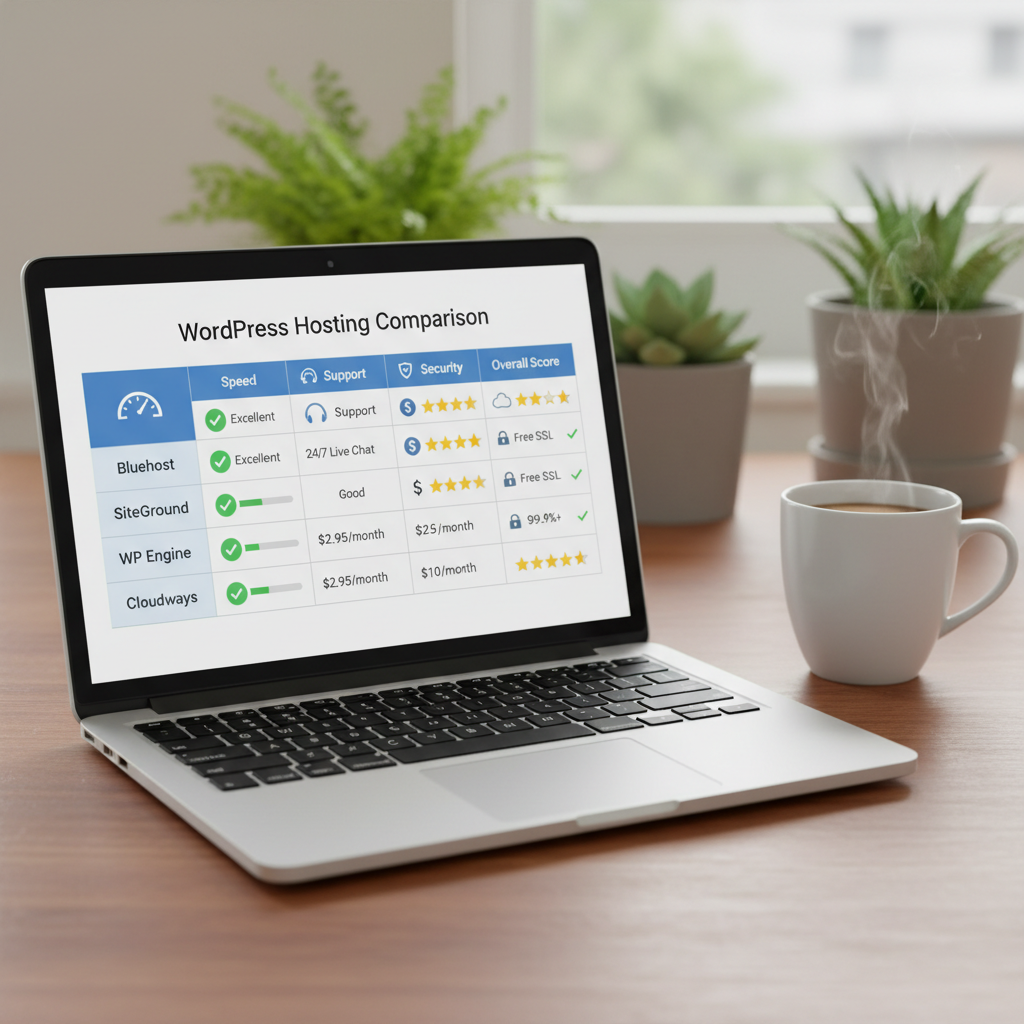
Here’s where the rubber meets the road. Let’s pit some of the best WordPress hosting providers against each other:
1. SiteGround: Perfect for small businesses, it’s a powerhouse in terms of uptime reliability despite its higher cost. Their support is legendary!
2. Hostinger: This gem offers affordable WordPress hosting, particularly suited for beginners. With its intuitive UI and AI-based tools, you’ll feel like a pro in no time.
3. Bluehost: Often recommended by WordPress itself, it offers decent performance metrics, but many find their support lacking. It’s the classic trade-off.
4. WP Engine: This managed service offers exceptional speeds but comes with a steeper price tag. Definitely worth it if you’re running a high-traffic site.
5. DreamHost: Known for its affordability and solid customer service. They also offer a 97-day money-back guarantee. That’s premium peace of mind!
How to Choose the Best WordPress Hosting for Your Specific Needs
Talking Points:
- Individual needs: Are you building a blog, ecommerce site, or portfolio?
- Budget considerations and renewal rates.
- Exploring migration options in case you switch hosts.
Choosing isn’t just about features or price; it’s about what you actually need. Are you setting up a simple blog or launching an ecommerce empire? For blogs, budget-friendly options might do the trick. For an online shop? You’d benefit more from managed hosting with top-notch support and eCommerce capabilities.
Also, beware of those sweet introductory offers. Many hosts lure you in with low prices, only to hit you with soaring renewal rates! Check out actual customer reviews and ask existing users about their experiences before committing. And while we’re at it, consider your long-term strategy: can the host help migrate your site smoothly if you decide to switch later?
Conclusion: Making an Informed Decision for Your WordPress Site
The right WordPress hosting is foundational for a successful website. It influences your site speed, reliability, and security. I can’t stress enough how crucial it is to match a host with your unique needs. Don’t make a hasty choice! Take your time, compare options, and remember: your hosting provider is your ally in the digital world.
Have questions? Share your experiences below. What struggles have you faced in the hosting department? Let’s create a conversation that empowers us all!
Frequently Asked Questions
1. What should I look for in WordPress hosting?
When evaluating, focus on uptime reliability, customer support, and technical resources. Performance should correlate with your site’s specific needs—ecommerce vs. a blog, for instance.
2. Is managed WordPress hosting worth the investment?
Absolutely! Managed hosting typically offers faster speeds and takes care of technical issues, allowing you to focus on creating content.
3. What are some red flags when choosing a host?
Watch for hidden fees, vague uptime guarantees, and limited customer support. If they aren’t transparent, it’s a warning sign!
4. How do I migrate my website to a new host?
Most hosts offer migration services. Yet, it’s often straightforward: backup your site, set up the new hosting account, and transfer files. Follow the host’s specific instructions to ensure a seamless transition.
5. Can I change my hosting plan later?
Yes, most providers allow you to upgrade or downgrade your plan as needed. Just check their policies and possible fees when considering a shift.
Whether you’re frustrated with your current hosting or just looking to switch things up, I’ve got your back. Let’s ditch the confusion and get your WordPress site running smoothly!