
Global Political Satire: A Comparative Analysis
Global Political Satire: A Comparative Analysis
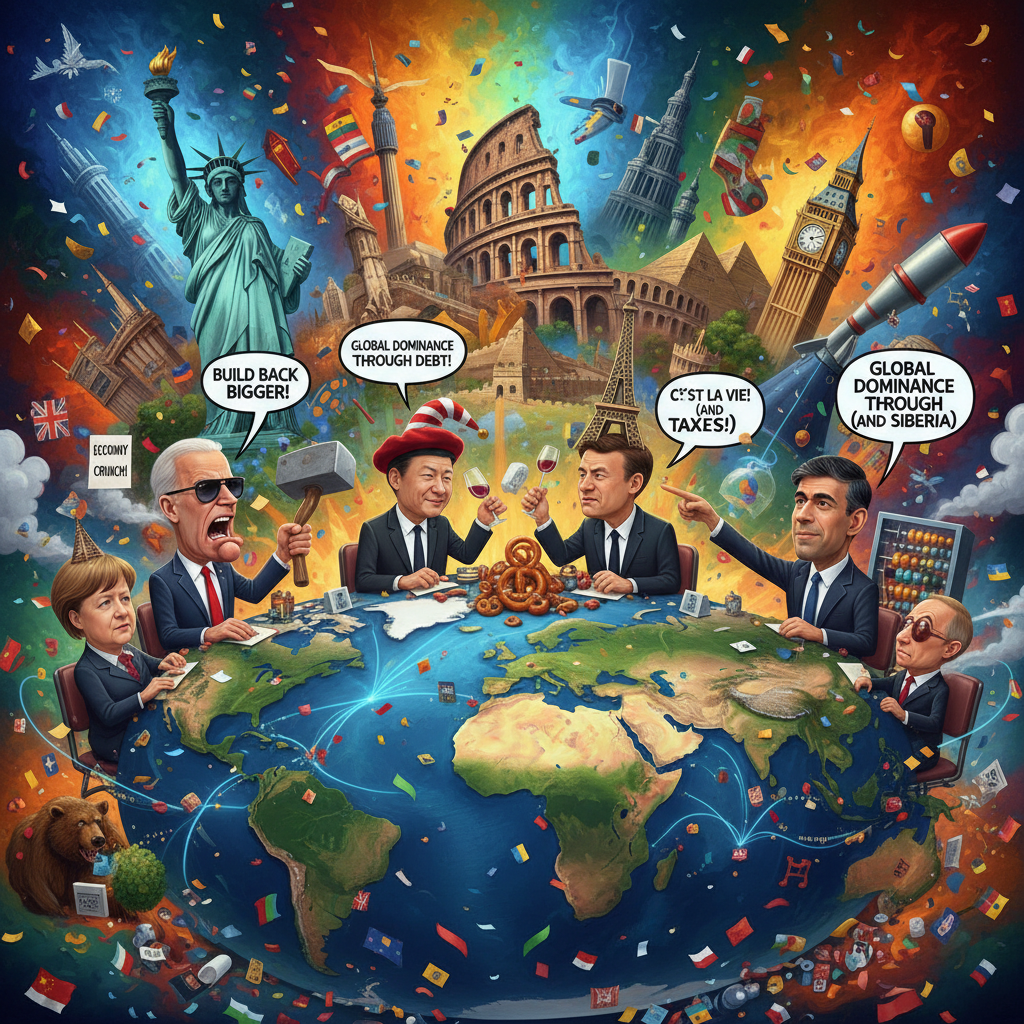
Imagine scrolling through social media and coming across a meme that makes you chuckle while stirring a question in your mind about current events. Political satire, my friend, is often more than mere laughter; it’s a lens through which we can glimpse the intricacies of power, governance, and the occasional absurdity of humanity. The evolution of political satire is fascinating, as it reveals much about the societies from which it springs. And if you’re like me, navigating the waters of news in a world rife with political controversy, you’ll find that the bite of satire can be an antidote to the gloom that often comes with serious discourse.
An Introduction to Political Satire
Political satire serves as a hybrid genre that combines entertainment, information, and critique. At its core, it’s about addressing serious topics while making you laugh — and perhaps think. This genre isn’t just a frivolous pursuit; it plays a significant role in both democracies, where it helps citizens engage with political issues critically, and in authoritarian regimes, where it can subtly challenge the status quo.
I remember flipping through old satirical cartoons of the Nixon era, chuckling at their clever jabs. They encapsulated the frustration of a generation while laying bare the absurdities of politics. In that sense, it’s both refreshing and necessary having a comedic relief, especially when the news feels overwhelmingly bleak.
The Role of Political Satire in Democracies
In democracies, political satire often adopts the role of a civic educator. Take “Saturday Night Live” as an example; their cold opens frequently dissect current events with sharp humor. This kind of entertainment invites viewers to laugh, but also to reflect. It fosters a deeper understanding of issues by distilling complex topics down to relatable snippets.
Each punchline or sketch acts as a conversation starter. I remember being in college and discussing recent skits with friends, laughing about the jokes but also pondering the underlying truths they contained. Through that combination of entertainment and information, we became more engaged citizens.
Political Satire in Authoritarian Regimes
In sharp contrast, the role of political satire in authoritarian regimes often veers toward the brave or the perilous. Here, satire turns into a tool of resistance, allowing ordinary folks to express their dissent under the radar. For instance, satirical news programs in places like Russia tackle government corruption without outright offending authorities. Instead, they employ humor to slip through the cracks of censorship and repression.
I can’t help but admire the courage of comedians who tread this fine line. I recall a brave stand-up comedian in a sketch who cleverly transformed serious political critiques into punchy jokes that had the audience rolling with laughter while also sparking awareness about oppressive policies. It’s a clever strategy, but it comes with grave risks — comedians are often persecuted or silenced in such environments.
Comparative Analysis of Political Satire Across Cultures
Cultural nuances heavily influence how political satire unfolds. For starters, German political satire often acts as a watchdog. Programs like “Extra 3” provide biting commentary that seeks to hold politicians accountable. Each episode is packed with a mix of sketches and news segments that keep the public informed while having a good laugh.
Yet, if we set our sights on Austria, there’s a different vibe altogether. Their satire tends to be more informative, focusing on delivering news without the heavy evaluative or activist tones prevalent in some other nations. This distinction shows how satire can dance according to the cultural rhythm and historical experiences of a country. It’s illuminating to see how regional perspectives shape the effectiveness of humor and critique.
Case Studies: Political Satire in the United States, Germany, and Austria
Examining political satire through case studies like the United States, Germany, and Austria reveals not just the variety of humor but the underlying political currents at play.
In the U.S., shows like “The Daily Show” and “Last Week Tonight with John Oliver” become essential in framing public opinion. They dissect policies while keeping viewers entertained. Merchandise from these shows often turns into barometers for cultural trends — who knew a satirical mug could spark so much dialogue?
Meanwhile, Germany’s “heute-show” stands as a comedic watchdog, often going viral for scrutinizing political missteps. Their cleverness lies in blending hard-hitting critiques with a humorous presentation, making even the most mundane policies amusing.
Austria’s satirical approach, while not as biting as its German counterpart, provides a unique perspective — focusing instead on clear information delivery with a sprinkle of humor to engage rather than sensationalize. It’s less about shock value and more about likability in capturing public interest.
The Impact of Political Satire on Public Opinion and Political Discourse
You’d be surprised how often satire can sway public opinion! The influence of comedic commentary shapes not just personal views but broader societal discourse. When residents tune in for laughs, they often walk away with opinions—sometimes radically shifted—about governmental approaches or social issues. I remember a friend who never cared much about elections, only to become suddenly vocal after our regular “SNL” marathons reminded him of the stark realities reflected in comedy.
Satire has been pivotal during election seasons, shaping voter behavior and influencing turnout as much as any political bulletin. It can ignite topics that need more attention, amplifying issues that might fly under the radar otherwise. The cheeky banter around serious issues challenges viewers to engage and question their leaders—how powerful is that!
Challenges and Risks in Producing Political Satire
Every rose has its thorns — and political satire is no different. Censorship is a constant threat, with content often scrutinized for potential backlash. Satire that treads into gray areas can land creators in hot water, facing lawsuits or even imprisonment in extreme circumstances.
There’s also the challenge of balancing humor without crossing lines into offensive territory. As a creator, you walk a tightrope between making a clever critique and causing offense. After all, satire’s powerful tongue can alienate audiences instead of drawing them in. Trust me, I’ve watched a few sketches tank because they failed to resonate. It’s a risky game.
The Future of Political Satire in the Digital Age
What’s next for political satire? As social media algorithms dictate what we see, the landscape for satirical content is rapidly shifting. Persistent creators find innovative ways to tackle topics, from viral TikToks to engaging Instagram reels. It’s a fast-paced development, and as someone who’s witnessed a changing media landscape, I’m both intrigued and a bit anxious!
But with great reach comes great responsibility. Misinformation spreads just as quickly as humor, potentially diluting the effectiveness of satire. Authenticity and truth must remain at the core of our comedic expressions, and those that stray too far immerse themselves in a murky reality where parody becomes farce.
Conclusion: The Enduring Power of Political Satire
In the grand scheme of things, political satire serves as an essential pillar of our societies. It amplifies voices, fosters engagement, and serves up humor in a palatable format. Most importantly, it demystifies the often murky waters of politics, making it comprehensible (and sometimes funny). I encourage you to observe how satire resonates with you personally and reflect upon the topics it addresses. Whether you’re sharing a meme or engaging with a satirical news segment, embrace the conversation!
What experiences do you have with political satire? Have any satirical pieces changed your perspective on political topics? Join the chat in the comments below!
Frequently Asked Questions
Q1: What defines political satire?
A1: Political satire is a genre that uses humor, irony, and exaggeration to critique political events, figures, or ideologies, making serious topics more accessible and engaging for audiences.
Q2: How does political satire influence public opinion?
A2: Political satire can shape public opinion by providing comedic commentary that highlights issues, encourages critical thought, and makes political discussions more relatable, often prompting viewers to engage with the topics presented.
Q3: What are the risks of creating political satire?
A3: Creators face risks such as censorship, legal repercussions, and potential backlash from audiences, especially if humor crosses into offensive territory which could alienate supporters or provoke criticism.
Q4: How do political satire formats vary between countries?
A4: Different cultures influence satirical formats; for instance, U.S. satire often focuses on engagement and education, while German satire tends to hold politicians accountable, and Austrian satire often prioritizes informative delivery.
Q5: What is the future of political satire in a digital world?
A5: The future points towards an expanded role on social media platforms, where satirical content can reach broader audiences rapidly, but it requires navigating challenges like misinformation to maintain its integrity and effectiveness.