Impacts of AI on Global Politics
Geopolitical Implications of AI in Global Politics
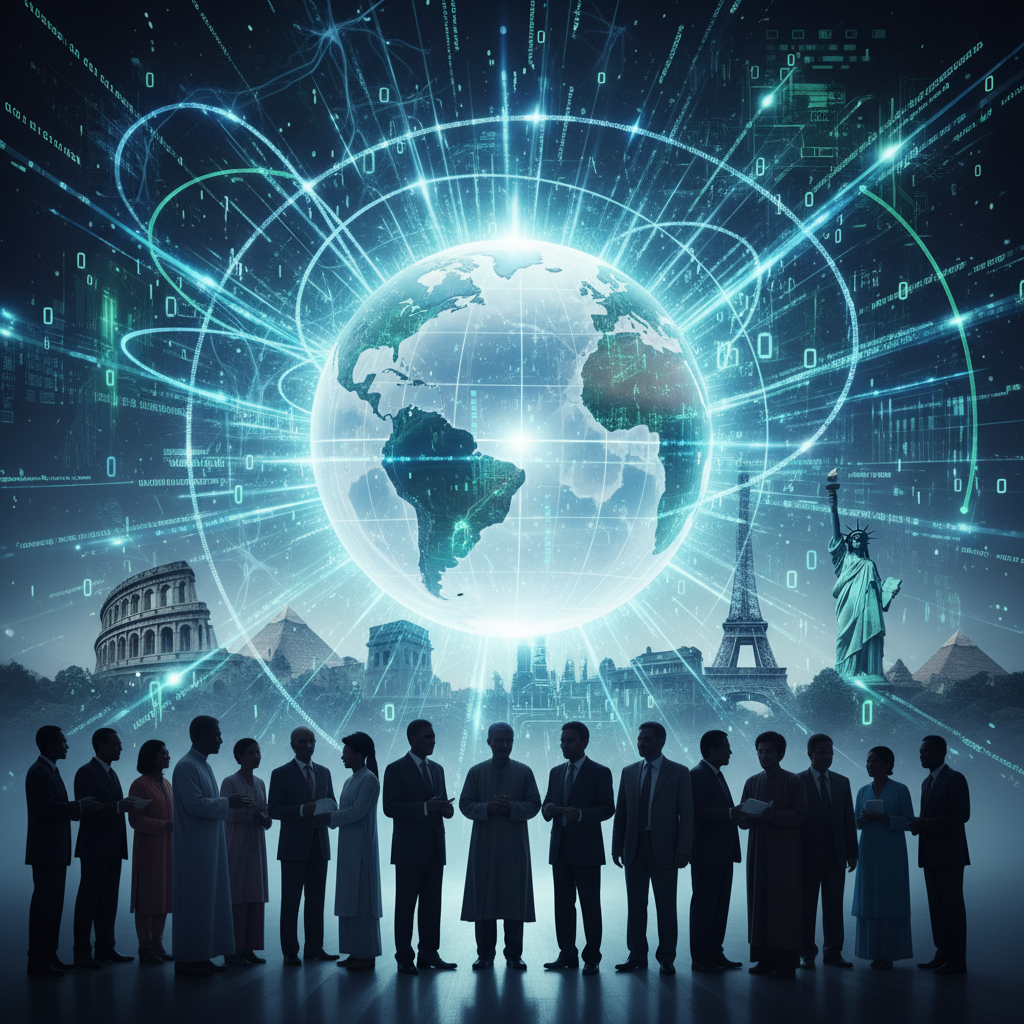
Have you noticed how quickly things are changing around us? I stumbled upon a report recently that suggested artificial intelligence could redefine international relations, much like how nuclear technology did decades ago! It dawned on me just how much of our daily lives—and the global stage—are influenced by advancements we can barely keep up with. The implications of AI aren’t just technological; they shift the very foundations of how nations interact, compete, and govern. It’s an exhilarating yet frightening thought, isn’t it?
The Rise of AI as a Geopolitical Asset
AI is not merely a technological tool; it’s become a strategic asset for nations. Countries are investing heavily to ensure they’re at the forefront of this evolving field. The United States and China are leading this charge, engaging in an escalating AI arms race. With the U.S. Department of Defense channeling significant resources into AI for military operations, national security now hinges on who controls advanced algorithms and data analysis.
In a recent report, JPMorgan Chase elaborated that AI is restructuring alliances and redefining military strategies globally. Imagine nations effectively competing not just on land or sea but through algorithms that predict strategic advantages before they even happen! 국가들은 한 발 더 나아가, 기술적 주권을 주장하고 AI의 설계와 배포를 그들의 이익에 맞게 최적화하고 있습니다.
AI’s Impact on Military Strategy and Defense
Let’s delve a bit deeper into military strategy. The integration of AI into defense isn’t just about surveillance; it signals a transformation in how wars could be fought. The ethical implications are staggering. When machines make life-and-death choices, who holds the accountability?
The U.S. Department of Defense is aggressively incorporating AI into everything from mission planning to threat detection. This shift raises questions: Are we opening a Pandora’s box of warfare? There have been discussions on regulations and ethics in military AI, especially in the context of the European Union, who are advocating for accountability and governance in military AI applications.
Economic Competition and Technological Sovereignty in the AI Era
Shifting gears, let’s talk economics. The race for AI supremacy is also a race for economic dominance. Countries view AI not only as a catalyst for progress but as a frontline in economic competition. The World Economic Forum underscores that reliance on foreign technology for critical systems has made nations wary. How can one secure their domain when innovation spurs dependency?
Emerging nations see this as an opportunity to forge their path, leaning into AI-driven solutions that favor local ecosystems. This drive for technological sovereignty is a game changer, enabling countries to protect their data and infrastructure while critiquing external dependencies.
AI’s Role in Shaping Global Governance and International Relations
Moving into the realm of global governance, AI’s encroachment presents a unique set of challenges. It’s fascinating how AI influences diplomatic ties. Nations must communicate not only about military might but also about AI policies and ethics. The establishment of international standards is crucial.
With the European Union leading initiatives toward governance and oversight of military AI, countries must navigate these waters carefully. Yet a worry lurks in the shadows: will nations be split into technological haves and have-nots? As AI policy develops, so will the implications for international cooperation or friction.
The Risks of an AI Arms Race and Global Instability
When you hear talk of an AI arms race, do you think about the potential chaos that could ensue? The risks are palpable. Countries fear that other nations will use AI for malicious purposes, leading to an unstable global situation.
This paranoia can escalate tensions, prompting preemptive measures that may actually destabilize peace. With increased reliance on automated systems, vulnerabilities in cybersecurity become a target for exploitation, resulting in catastrophic failures that could spiral out of control.
Ethical Considerations and the Need for International AI Regulations
One of my biggest concerns surrounding AI is the ethics of it all. What becomes of our humanity in the pursuit of technological advancement? There are ongoing debates about how to integrate ethics into AI design to develop systems that reflect our values rather than just efficiency.
Regulations are crucial here. The EU’s AI Act, enacted earlier this year, sets the groundwork for shaping ethical AI usage globally. This framework could lead nations towards shared ethical standards that promote accountability and trust. Together, we can address issues like algorithmic bias and transparency—are these principles in play within our own systems?
Case Studies: AI’s Influence on Recent Geopolitical Events
Let’s take a closer look at some real-world examples of AI at play in today’s geopolitical arena. For instance, during recent elections, AI has reshaped how campaigns speak to the public, utilizing predictive analytics to target specific demographics with personalized messages.
In terms of international relations, AI tools have been used for diplomatic negotiations and strategies. However, the rapid adoption has at times led to miscommunications and escalated conflicts—defining moments in how we view technology’s role vis-à-vis traditional diplomacy.
Future Outlook: Navigating the Challenges and Opportunities of AI in Global Politics
Peering into the future, it’s evident that AI will continue to shape the geopolitical landscape. The upcoming years hold uncertainties that will heavily influence military and economic strategies. As citizens, we can’t just sit back and watch from the sidelines.
Our voice matters! As discussions about AI governance unfold, it’s essential that we engage in the dialogue, supporting measures that prioritize ethical use and transparency. Let’s reshape the narrative together.
Conclusion: Embracing AI’s Potential While Mitigating Geopolitical Risks
The world of AI isn’t just a tech enthusiast’s playground; it’s become a battlefield for geopolitical power. Navigating these uncharted waters can be daunting, but understanding the implications of AI in global politics equips us to respond thoughtfully. As we embrace AI for its innovations, let’s remain vigilant about potential risks and advocate for responsible governance that considers ethics and global cooperation.
What about you? How do you see AI influencing your life and the world around you? I’d love to hear your insights and experiences—let’s chat in the comments!
Frequently Asked Questions
Q1: How is AI truly shaping international relations?
A1: AI streamlines diplomatic channels, predicts conflict escalation, and assists in military strategy, making it pivotal in modern international relations. Countries leverage AI to enhance situational awareness and strategic decision-making.
Q2: What are the ethical considerations of military AI?
A2: The ethical implications include concerns over accountability, decision-making in life-and-death situations, and potential misuse of autonomous weapons, prompting calls for regulations and oversight.
Q3: How does AI influence economic competition among nations?
A3: AI enhances productivity and innovation, giving those who invest heavily in the technology a significant economic advantage, thereby shaping competition and alliances based upon technological capabilities.
Q4: What global standards are needed for AI governance?
A4: Standards should encompass ethical AI deployment, accountability mechanisms, transparency in algorithms, and commitments to prevent misuse, aimed at fostering trust among nations.
Q5: Can individual voices impact AI governance?
A5: Absolutely! Citizen engagement in discussions, advocacy for ethical standards, and active participation in policy-making shape how AI is regulated and used within societies.