Sustainable Web Design for WordPress: Build Greener Sites
Sustainable Web Design for WordPress: Build Greener, Faster Sites
Talking Points:
* The hidden environmental cost of website data transfer.
* How heavy WordPress themes inflate your digital carbon footprint.
* Why building for the planet leads to a better user experience.
I once spent three hours debugging a sluggish site at 3 AM. It turned out the culprit was a bloated theme packed with unnecessary scripts that nobody ever clicked. That wasted energy represents a tiny fraction of the global problem. Every line of code and every image requires electricity. If your site is bloated, you are paying for that energy in both utility bills and visitor frustration. Sustainable web design for WordPress is not just about being green. It is about building smart, lean machines that respect your user’s time and our shared planet. Your site can be a silent advocate for efficiency.
The Hidden Environmental Impact of Your WordPress Website
Talking Points:
* Data transfer as a major energy consumer.
* The lifecycle of a single page load.
* Why “invisible” infrastructure matters.
Most people think of electricity usage in their office, but the internet has a physical footprint. Servers run 24/7 to keep your site alive. When a user lands on your page, a cascade of energy occurs. Data travels through cables, routers, and data centers. If your site is heavy, you force that user’s hardware to work harder. They burn more battery. You burn more energy. It adds up fast. Every extra kilobyte is a heavy tax on the network. I have seen sites load 5MB just for a hero image. That is a massive waste. We need to stop treating bandwidth as if it were infinite.
Understanding the Relationship Between Speed and Sustainability
Talking Points:
* The direct link between performance and energy efficiency.
* How fast sites reduce server-side energy consumption.
* Improving user experience via sustainable digital strategy.
Speed and efficiency go hand in hand. A fast site is almost always an energy-efficient one. WordPress website optimization tips usually focus on load times for SEO, but the environmental benefit is the real prize. When you optimize your database, you reduce the processing power required for each query. This directly lowers the server load. Less server strain means less heat. Less heat means less air conditioning in the data center. It is a beautiful chain reaction. A lean site keeps your visitors happy and the planet slightly cooler.
Choosing Eco-Friendly WordPress Hosting Providers
Talking Points:
* The importance of power source transparency.
* How green web hosting providers minimize operational waste.
* Questions to ask your host about energy efficiency.
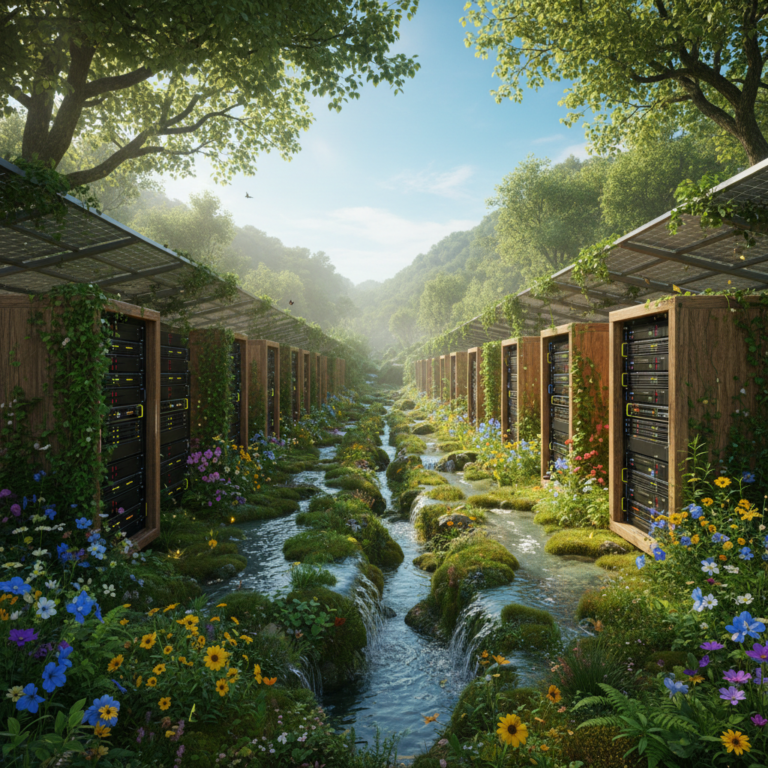
Not all servers are created equal. Some hosts run on coal, while others prioritize renewable energy. Switching to green web hosting providers is often the single biggest change you can make. Ask your host about their PUE, or Power Usage Effectiveness. If they dodge the question, they are not your partner. I have moved many clients to providers that focus on clean energy. Their sites still fly, and they sleep better knowing their platform isn’t contributing to the problem. Do your homework. Your infrastructure provider sets the baseline for your entire digital impact.
Optimizing Your WordPress Media Library for Energy Efficiency
Talking Points:
* Image compression techniques for smaller file sizes.
* Choosing the right file formats like WebP or AVIF.
* Removing redundant assets that sit idle in the library.
Images are usually the heaviest part of a site. If you upload photos straight from your camera, you are killing your performance. Start using image compression religiously. I use tools to strip metadata and resize images before they ever reach the server. Stick to modern formats like WebP. They look just as sharp but weigh a fraction of a JPEG. Go through your library right now. Delete those massive unused files from three years ago. Your database will thank you. The server will respond faster. The planet will stay a bit greener.
Implementing Sustainable Coding and Theme Practices
Talking Points:
* The environmental cost of bloated, “do-it-all” themes.
* Why clean code reduces execution time.
* Moving away from heavy page builders for simple sites.
I hate bloated themes. You know the ones I mean. They come with 50 plugins pre-installed. They load massive CSS files just to change a button color. Sustainable web development practices demand clean code. If you can build it with a custom block or a lightweight starter theme, do it. Avoid the urge to add “one more plugin” for every little feature. Plugins have a cost. They run in the background. They bloat your database. Keep it light. Keep it functional. Your code should be a whisper, not a scream.
Caching Strategies to Reduce Server Processing Loads
Talking Points:
* Static versus dynamic content delivery.
* Configuring server-side caching to stop redundant processing.
* How caching lowers your total data transfer.
Dynamic content is a resource hog. Every time someone views your page, the server might be rebuilding it from scratch. That is unnecessary energy expenditure. Use server-side caching to serve a static version of your page. It stops the server from querying the database every single time. I see so many sites running without any caching at all. It is like leaving the lights on in an empty house. Cache your static assets. Your server load will drop immediately. Your pages will load in a blink. It is a win-win scenario.
The Role of Minimalist Design in Energy Consumption
Talking Points:
* Stripping non-essential UI elements to save bytes.
* Prioritizing content over fancy animation effects.
* How minimalist design helps user experience accessibility.
We love fancy animations. We love parallax effects. We love high-definition background videos. But every one of those things costs energy. They force the user’s browser to work overtime. Minimalism is your best friend here. A clean, text-driven layout often performs better. It is easier to read. It consumes less data. It helps users find what they need without the fluff. Stop decorating your site with heavy code. Let your content do the heavy lifting. Design for purpose, not for vanity.
Reducing Data Transfer: Why Less Is More for the Planet
Talking Points:
* Limiting external scripts and third-party tracking.
* The impact of large third-party resources.
* Managing font loading for better efficiency.
Every external script you call is a request across the world. Each request consumes energy. You probably have tracking pixels, social widgets, and chat bots dragging your site down. Do you really need all of them? Remove the ones that do not provide clear value. Load your fonts locally instead of pulling them from Google. This reduces the number of connections. It speeds up the site. It keeps your user data private. Less data transfer equals a lighter footprint. It is as simple as that.
How to Measure Your Website Carbon Footprint
Talking Points:
* Using website carbon calculators to establish a baseline.
* Interpreting metrics like data transfer and server energy.
* Using performance audit tools to find “hot spots.”
You cannot fix what you do not measure. Use a website carbon calculator to get a rough idea of your impact. It will show you how your site compares to others. Use your developer tools in the browser to see the waterfall of requests. Identify the largest files. If you find a massive script, remove it. If you find an uncompressed image, fix it. Make it a game. Try to get your page size under 500KB. It is an ambitious goal, but it is achievable. Once you see the numbers, you will become obsessed with efficiency.
Common Myths About Green Web Design
Talking Points:
* Debunking the idea that green design is “ugly.”
* Clarifying that performance tuning does not require compromise.
* The truth about green web hosting availability.
People think green design is boring. They think it means black-and-white text with no images. That is wrong. Sustainable design is just smart design. You can have a beautiful, high-performing site that uses minimal energy. It just requires intention. Do not let anyone tell you that you have to sacrifice performance for the sake of the planet. Often, the greenest option is also the fastest option. Stop listening to the noise and start making your site lean. Efficiency is the ultimate aesthetic.
We have covered a lot today. Building a sustainable site is not just a favor to the earth; it is a favor to your users and your own sanity. Clean, fast sites are easier to maintain and cheaper to host. Start by auditing your images and switching to a green host. Look at your theme and strip away the junk. You will be surprised at how much faster your site becomes. If you want to make a real impact, start today. What changes have you made to lighten your digital footprint? Share your progress or ask a question in the comments below. Let’s build a better, faster web together.