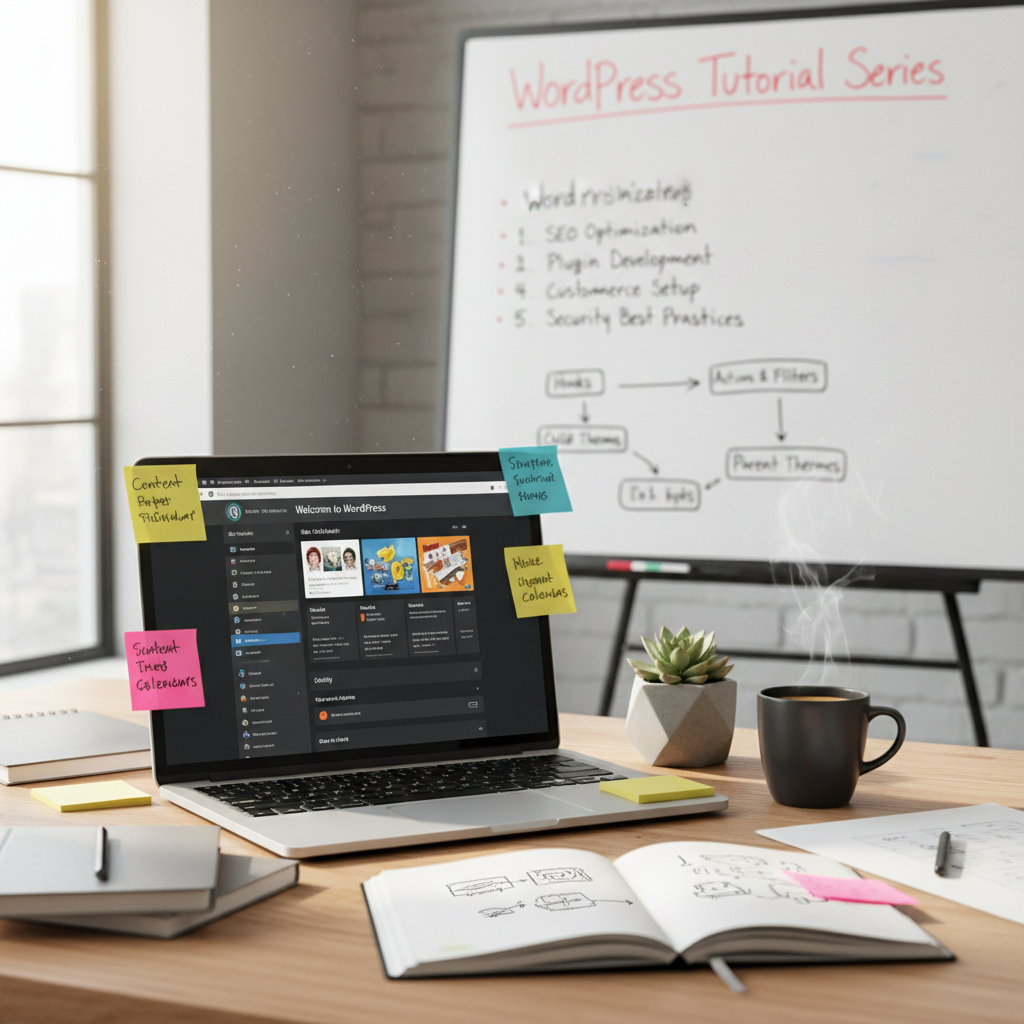
Ultimate WordPress Mastery Guide: Setup & SEO
Your Ultimate Guide to WordPress Mastery: From Setup to Optimization
Let me kick this off with a fact that might surprise you: over 43% of all websites run on WordPress. I was once in a tight spot at 2 AM, staring at a stupid blank screen—what’s often called the “White Screen of Death.” I thought, “How did I get here?” Sound familiar? We all start somewhere, wrestling with thoughts of why our site isn’t performing right or how to make it look just perfect. But here’s the thing: mastering WordPress is entirely doable!
Nothing beats the feeling when you finally optimize your WordPress site; it’s like giving your digital home a fresh coat of paint. Whether you’re just starting or looking to up your game in security and SEO, I’ve got your back. Ready? Let’s jump right in!
Getting Started: Setting Up Your WordPress Site
Talking Points:
- Choosing the right hosting provider
- Installing WordPress manually vs. one-click installations
- Understanding WordPress dashboard basics
Setting up a WordPress site can feel like a rite of passage. First things first: find the right hosting provider. I remember the first time I chose a host that looked flashy but was all style and no substance. What a headache! I recommend sticking to reputable names that offer solid support.
Once you’ve settled on a host, it’s time to get WordPress up and running. Lots of hosts offer one-click installations, which is a lifesaver for newbies. Alternatively, if you fancy a hands-on approach, you can install it manually, but let me tell you—patience is key!
Once installed, familiarize yourself with the dashboard. Navigating through settings can be overwhelming, but spend some time here. Tweaking your WordPress settings lays the foundation for your future edits.
Choosing the Right Theme: Aesthetic Meets Functionality
Talking Points:
- Identifying your site’s focus
- The importance of responsiveness
- Free vs. premium themes
Picking a WordPress theme can feel like shopping for a dress for a first date. It has to reflect your personality, yet keep functionality in mind. Identify the core focus of your site. Are you showing off an online portfolio, or running a blog? Make sure your theme supports that.
Responsiveness is crucial today. More users browse on mobile devices than ever before, so ensure your theme looks fabulous across gadgets. I once chose a gorgeous theme only to find it clashed with mobile views—what a letdown!
Finally, consider the cost—free themes can work wonders, but sometimes, splurging on a premium theme gives you support and added functions that save you headaches.
Essential Plugins: Enhancing Your Site’s Capabilities
Talking Points:
- Must-have plugins for every WordPress site
- How to safely install plugins
- Managing plugin performance
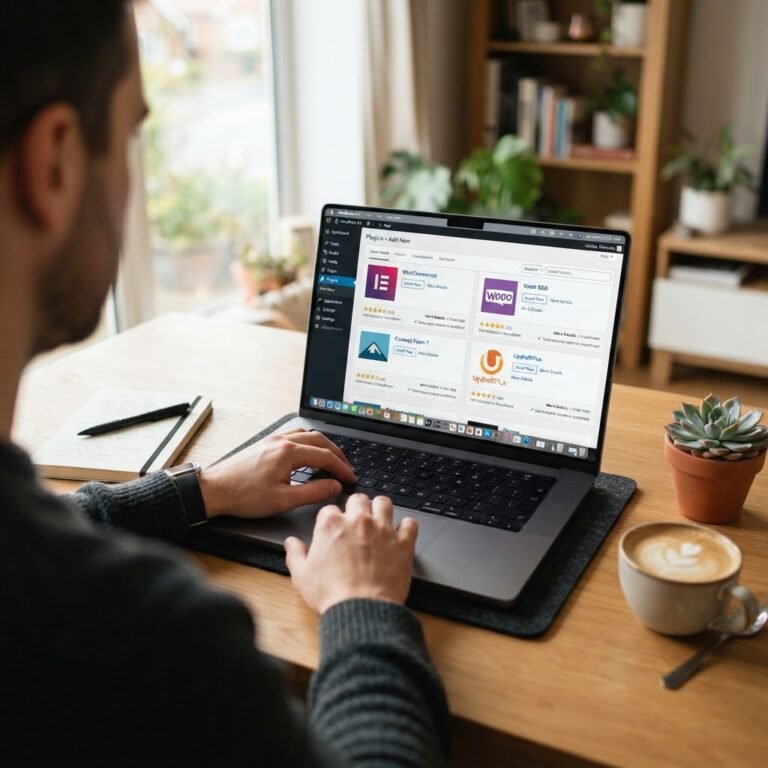
Plugins are like a secret weapon in your WordPress toolkit. Think of them as little helpers that add functionality, from SEO tools like Yoast to performance boosters like WP Rocket. Choose wisely! Too many plugins can weigh down your site—trust me, I’ve been there.
Installing a plugin is straightforward. Just a few clicks, and you’re on your way! But don’t forget to regularly check for updates. Outdated plugins can become security risks.
Managing plugin performance is just as crucial. Some of them might slow your site down. I once noticed a great plugin making my website sluggish—so I switched it out for a more optimized version!
Creating Content: Crafting Posts and Pages That Engage
Talking Points:
- Best practices for creating content
- Utilizing formatting for readability
- Emphasizing engaging visuals
Now, onto the heart of your site—content! Writing engaging posts is an art. I remember slapping up a new blog post without consideration for SEO or engagement; it just flopped.
Start with an eye-catching headline and don’t skimp on formatting! Use headings, subheads, and bullet points to break up text. It’s like giving readers breadcrumbs to follow through your content.
Visuals play a pivotal role too. Including quality images, infographics, and videos enhances user experience. I try to think of visuals as cherry on top—always worth it!
Optimizing Performance: Speeding Up Your WordPress Site
Talking Points:
- Utilizing caching for faster load times
- Image optimization tips
- The importance of choosing the right host for speed
In today’s fast-paced digital world, speed is everything. If your site drags, users will bounce faster than you can say “Page not found.” One trick is to use caching plugins like WP Super Cache. They can drastically reduce load times.
Let’s talk images. Have you ever uploaded a stunning photo only to realize it’s 5 MB? Optimize your images before uploading them—use tools like TinyPNG for this. Every kilobyte counts!
Lastly, think about your hosting choice; not all hosts prioritize speed equally. I once jumped ship to a host that focused on performance. What a difference it made!
Ensuring Security: Protecting Your Site from Threats
Talking Points:
- Key security practices every WordPress user should follow
- Recommended security plugins
- The importance of regular backups
Security might seem dull, but it’s crucial! No one wants to deal with a hacked site. Implement basic security practices—such as changing the default login URL and using strong passwords. Trust me; I’ve learned this the hard way!
Consider security plugins like Wordfence or Sucuri. They add layers of protection and can help you keep threats at bay. Plus, don’t forget to keep everything updated!
Finally, always back up your site. I’ve lost content due to forgetting backups, and it still haunts me! Use plugins like UpdraftPlus for seamless backups to the cloud.
Troubleshooting Common Issues: Quick Fixes for WordPress Problems
Talking Points:
- Recognizing and resolving the “White Screen of Death”
- Fixing slow-loading pages
- Handling plugin conflicts
As a website owner, you’ll face hiccups. Trust me, nothing’s worse than the dreaded “White Screen of Death.” It can come from a plugin conflict, a theme issue, or even a misconfiguration. First step? Don’t panic! I’ve fixed it by disabling plugins one by one to find the culprit.
If your pages load slowly, check database optimization. Sometimes cleaning up your database can speed things up immensely. There are plugins for that too, making it easy-peasy!
Lastly, plugin conflicts are a regular headache. If something breaks, go through your recently added plugins. It often helps to deactivate them and reactivate one by one to find the mischief-maker.
Advanced Customization: Tailoring Your Site to Perfection
Talking Points:
- Utilizing child themes for safe customization
- Adding custom CSS and JavaScript
- Integrating e-commerce solutions
If you want to take customization to the next level, consider using child themes. They let you tweak designs without worrying about losing changes during updates. I wish I had known this sooner!
Adding custom CSS and JavaScript can give your site that tailored look. Just ensure you test changes in the preview first. You don’t want to launch something that breaks everything!
If you’re considering e-commerce integration, WooCommerce is a popular choice. It allows you to transform your site into a full-fledged online store. I’ve set up shops before, and while it has challenges, the rewards are sweet when you see sales roll in!
SEO Best Practices: Boosting Your Site’s Visibility
Talking Points:
- Keyword research basics
- Implementing metadata
- Using sitemaps for better indexing
SEO can feel overwhelming, but a few simple practices can make an enormous difference. Start with basic keyword research—what are people searching for that relates to your content?
Implementing metadata is vital for search engines to understand your content. Use Yoast or Rank Math for guidance on setting this up directly in WordPress. The right metadata can be the boost your SEO needs!
Additionally, consider creating and submitting a sitemap to search engines. It helps them index your site better—a step I overlooked for too long!
Maintaining Your Site: Regular Updates and Backups
Talking Points:
- Setting a routine for updates
- The significance of checking for broken links
- Why site audits are beneficial
Let’s talk maintenance. Regular updates to WordPress, themes, and plugins are non-negotiable. I used to postpone this, and it led to glitches down the line. Create a schedule—once a week or bi-weekly.
Check for broken links regularly. They can hurt your SEO, and fixing them is simple! Tools like Broken Link Checker can help you identify these pesky issues.
Lastly, consider running site audits to review performance and security. This way, you ensure everything operates smoothly! I make it a habit now, and it saves me stress in the long term.
Conclusion: Empowering Your WordPress Journey
Finding your footing in WordPress can throw curveballs, but with the above guide, you’re well on your way to creating a stunning, functional website. Implement the strategies shared here, iterate, and find what works best for your unique situation.
Embark on this WordPress journey with confidence, and don’t shy away from the occasional hiccup. They often teach us the most valuable lessons! Share your WordPress victories, stories, or questions in the comments below—let’s learn together!
Frequently Asked Questions
What is WordPress?
WordPress is a widely used content management system that allows users to create, manage, and tweak websites easily without extensive knowledge of coding.
Can I use WordPress for e-commerce?
Absolutely! With plugins like WooCommerce, you can set up a complete online store with ease.
How do I secure my WordPress site?
Implement strong passwords, change the default login URL, and utilize security plugins to enhance site protection.
What’s the best way to optimize my WordPress site for SEO?
Perform keyword research, implement metadata using SEO plugins, and ensure your site is mobile-friendly for better visibility.
Is it necessary to back up my WordPress site?
Yes! Regular backups are crucial to prevent data loss from hacks, updates, or server crashes. Use reliable backup plugins to automate this process.